...and find joy and peace in the hard places

From D.W.: I’m probably not the only one here that gets so focused on outrage that they forget about peace. Some outrage is ok. Necessary, even, in the face of the outrageous. And our priorities should be measured in degree by the things that make us outraged. But, in equal measure, they’ll be measured by the things that led us to compassion, and comfort, and peace.
How do we care for ourselves and others? What do we tell our children? Where do we make the pallets for our fellow travelers to lie?
A few thoughts about that from Rachel:
Facebook. July 8th. 2016
Speak love into the world today. Find a way. Find a hurt you can soothe, a peace you can make, a hand to hold, a candle to light, a baby to kiss, a tear to dry, a stranger to thank. Look hard. Look deep. And love as big as you can. We are all in this together, so we may as well act like it, no matter if any one else will help or join us in the doing. We must do this. And we must do it now.
Mercy.
Grow Christians. August 23rd. 2016
How do we talk with children about difficult realities?
There is a deep desire to keep our little ones from hurt and harm—both their physical bodies and their growing hearts. We protect them with our whole selves, being careful about what they see and hear from radio, television, the Internet, or that one relative who seems to not understand the difference between table-talk and grown-up talk. We lower our voices when we talk about death and dying, war and disaster, politics and politicians, asking them to go play in another room or waiting until they go to bed to talk about grown-up things. And these are good and right measures to take. But at what point do we confront the hard things about life, our families, and the world with our children? And how do we do that?
In my own life, I look to the example set by my parents. From an early age, they included my brother and me in fairly adult-themed conversations. When we ate meat-free dinners one night a week, and dropped the money we would have normally spent on animal protein into the little box shaped like a loaf of bread, Momma and Daddy would remind us that the money we were saving was going to help our babysitter Pam buy books for college. When the family of Vietnamese refugees sponsored by our church became fixtures at our family gatherings, they talked to us about why the Trans had left their home, how far they had to travel to come to us, and how we always had enough love to share with others. When my dad had to have extensive and repeated testing done because of several platelet transfusions he received during treatment for leukemia in the late 1980’s, they talked to us openly, honestly, and age-appropriately about HIV and AIDS. When a classmate of mine was killed in a gun accident, my parents and some other loving, caring adults (with our priest’s permission) opened our church up for my classmates and I to grieve and process what was happening.
None of those conversations were easy for them to have, and none of that information was particularly fun or exciting for young eyes and ears and heart to process. But all of those conversations, and all the other conversations we had about hard things came with my parents explaining that the root of our response, the way in dealing with these hard things, was rooted in the steadfast love and example of Jesus.
I am sure they spent many hours talking together, preparing a plan for how to talk to their children about things that honestly scared and challenged their own grown-up hearts and minds. I am sure they would have much preferred talking to us about other things. But they had the hard conversations with us, alongside us. And when it came time for us to share the hard things in our own lives with them, we never doubted their capacity to sit with and understand us.
We live in a world that is often hard to explain to ourselves. It is scary to try and figure out ways to explain it to our children. But to wrap them in cotton and insulate them from reality, from the hard and jagged edges of life, is to do them a deep disservice—because Jesus shows up in those hard places. He shows up when we show up; when we climb between the rock and the hard place, and like Elijah, see the glory of the Lord pass by. We are his hands and feet in this world.
Our children deserve to see and know that, and they deserve to see and know that even in their littleness, they can act like Jesus and love like Jesus, too. That kind of honesty and bravery on the part of parents instills honestly and bravery in the hearts of the children they are raising, and that, my dear friends, brings the Kingdom. It is hard work, and it will break our hearts. But God shows up to fill in those cracks with light and love beyond our wildest dreams, beyond what we could ask or imagine.
Be brave. Be honest. And know that God meets you and your family in the midst of those hard conversations, empowering you to find new ways to love and learn. The Holy Spirit will guide you, helping you to find the right words and examples to discuss difficult things with your tenderhearted children. And Jesus, our brother, friend, and King, shows us with his very life how to respond.
You are doing amazing things, mommas and daddies and grannys and papas and aunties and uncles and other folks who love their littles. You are bringing the Kingdom of God to live between us, sharing the Good News of Jesus every single time you have one of these hard talks with your children. You are. Good job. May you be deeply blessed and comforted along the way, and find joy and peace in the hard places.
Facebook. September 15th. 2015
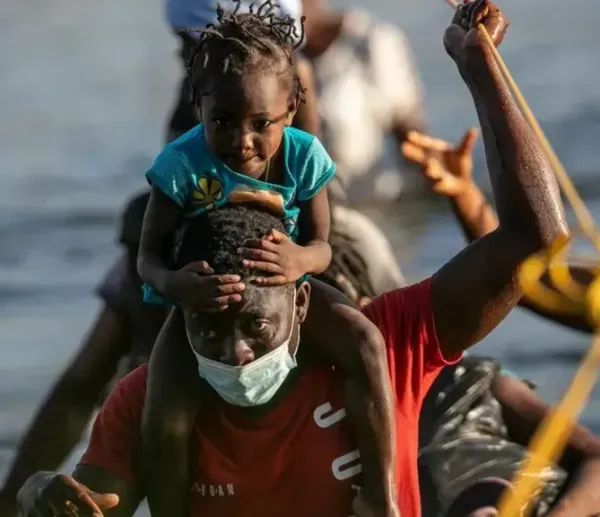
I wish the verses in the Bible that confront how we deal with refugees, orphans, widows, and crushing poverty were treated with at least half the urgency as the ones that are rolled out every single time we want to have a fight about what happens in people's beds.
Rend your hearts, and not your garments, people.
BE QUICK TO LOVE.
It will cost you everything.
And it's what Jesus would do.
here endeth the rant